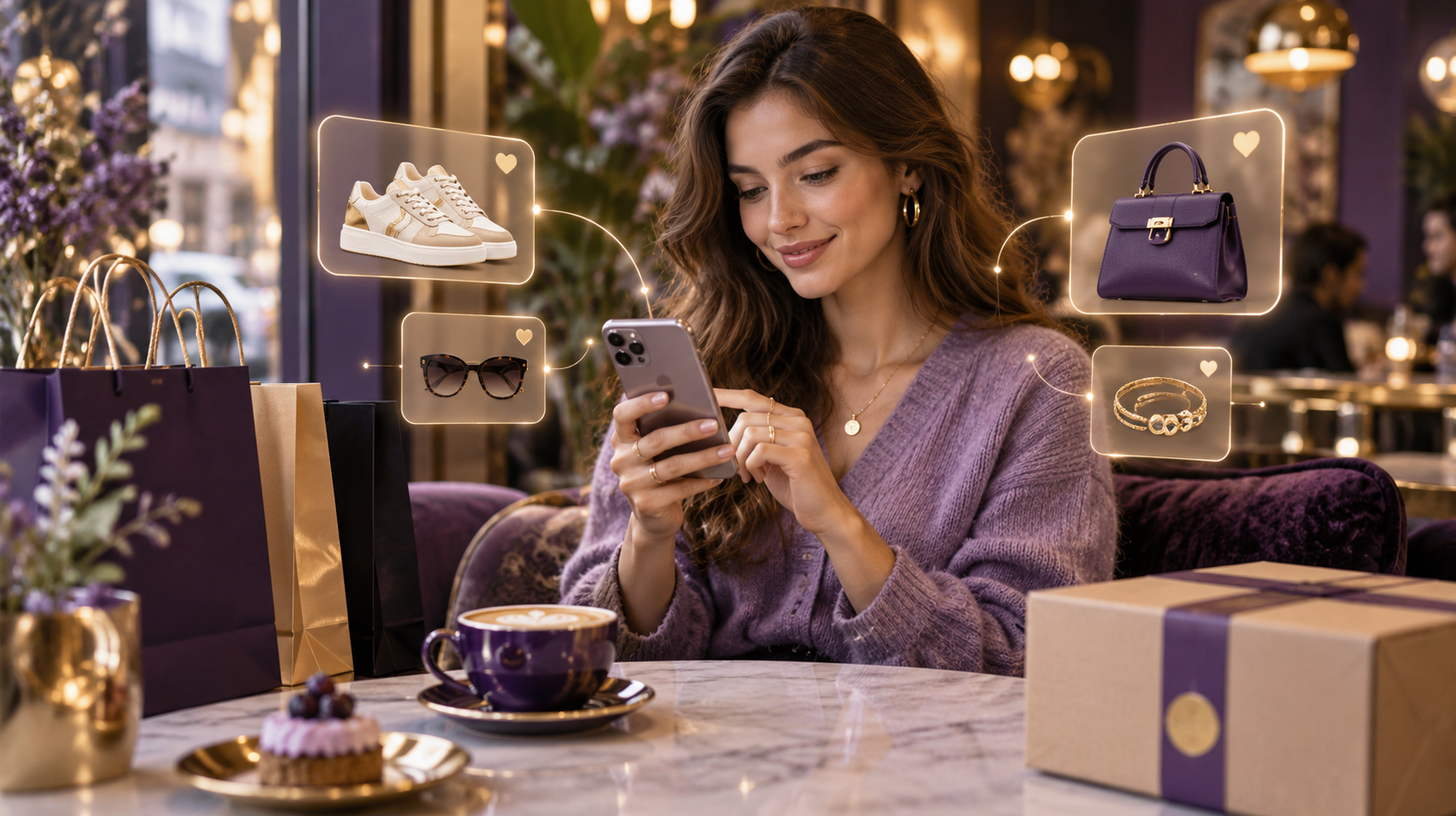
Upselling works best when it feels like useful shopping advice, not a sales trick. The idea is to make the next choice easier — maybe that means a better version of the product, a practical add-on, or another option within the same category. Depending on the store, that could be anything from a laptop case or a larger skincare set to a different flavor in a range such as mint snus. The point is not to add more products for the sake of it, but to show something that makes sense next to what the customer is already considering.
The strongest approach comes down to relevance, timing, and low friction. Shoppers should be able to see why an option is being suggested within seconds, without having to decode a sales pitch. And if it is not useful to them, ignoring it should be just as easy.
1. Make recommendations personal
Generic “you may also like” blocks are easy to ignore. Better recommendations use real shopping signals: viewed products, cart contents, past purchases, category interest, size, price range, and compatibility.
AI can sort those signals at scale, but the rule stays human: suggest something useful. A shopper buying a camera may need a memory card or a larger battery. A random bestseller from another category is just noise.
2. Build bundles around a real need
A strong bundle solves a small problem in one click. Think “new laptop setup,” “weekend skincare kit,” or “home coffee starter set” instead of three unrelated items grouped for a discount.
Show what is included, what the customer saves, and why the products belong together. Good bundles also cut decision fatigue because shoppers do not need to find every accessory on their own.
3. Choose the right moment
Product pages work well for upgrades and compatible add-ons. The cart is better for small, relevant extras. Post-purchase pages and follow-up messages can introduce the next useful product after the main decision is complete.
Be careful at checkout. UX research shows that aggressive cross-sells can distract customers and create frustration. Keep payment simple and make the upsell secondary.

4. Use social proof with context
Ratings and reviews can support an upsell when they answer a real question. Skip generic “popular choice” badges. Show proof that helps people compare options.
You might surface reviews explaining why buyers chose the premium version, or show that a specific accessory is commonly paired with the product in the cart. The proof should make the decision clearer, not louder.
5. Create urgency without fake pressure
Limited stock and short-term offers can work, but the message has to be true. Fake countdowns and invented scarcity can damage trust and may cross into dark-pattern territory.
Use urgency when there is a real reason to act: inventory is low, the promotion actually ends, or the bundle is genuinely limited.
6. Turn support into a shopping assistant
Live chat and AI assistants can make upselling feel natural because the recommendation starts with a customer need. If someone asks whether two products work together, support can suggest the right upgrade or accessory in context.
The best support upsell solves the next problem. It should never read like the same sales script pasted into every conversation.
7. Use loyalty data for smarter offers
Returning customers give you stronger signals than anonymous traffic. Purchase history, reorder cycles, reward status, and product preferences can guide refills, premium versions, bundles, and early-access offers.
Post-purchase journeys are useful here. Commerce platforms can support follow-up recommendations, replenishment reminders, loyalty messages, and post-purchase offers after payment.
8. Measure the whole journey
Do not judge an upsell by clicks alone. Track whether customers view the offer, add the item, remove it, complete checkout, return the order, or buy again. Ecommerce analytics can capture events across product views, carts, checkout, purchases, refunds, and promotions.
Test one variable at a time: placement, product match, price gap, bundle mix, wording, or timing. A smaller offer with strong relevance can beat a bigger discount that feels random.
Smart upselling helps customers make a better purchase while giving the retailer more value from each order. Keep offers useful, optional, and easy to understand. When the extra product makes sense, customers do not need much convincing.