
Video games are more than just entertainment; they’re a massive industry with a highly engaged user base. There are countless genres and types, with some preferring to play using undetected EFT hacks, while others simply enjoy the experience. Many companies are leveraging this to connect with consumers through unique, immersive experiences.
Video game advertising has evolved significantly, with many brands now seeing it as an essential channel. Games influence trends and create new ways for brands to reach and engage with customers.
Here are some common ways companies use games for marketing:
1. Advergames
Advergames are video games created specifically to advertise a brand or product. They are fully interactive experiences designed around the item being advertised. This strategy works by having the player actively engage with the brand. If the player enjoys the game, they are more likely to develop positive feelings toward the brand.
While advergames can be an effective way to reach consumers, there are concerns about their impact on children, particularly when promoting food-related products.
A famous example is Burger King’s Sneak King for the Xbox and Xbox 360. Players control Burger King’s mascot in a stealth-themed game where the goal is to deliver food across four levels based on the company’s commercials.
2. In-game advertising
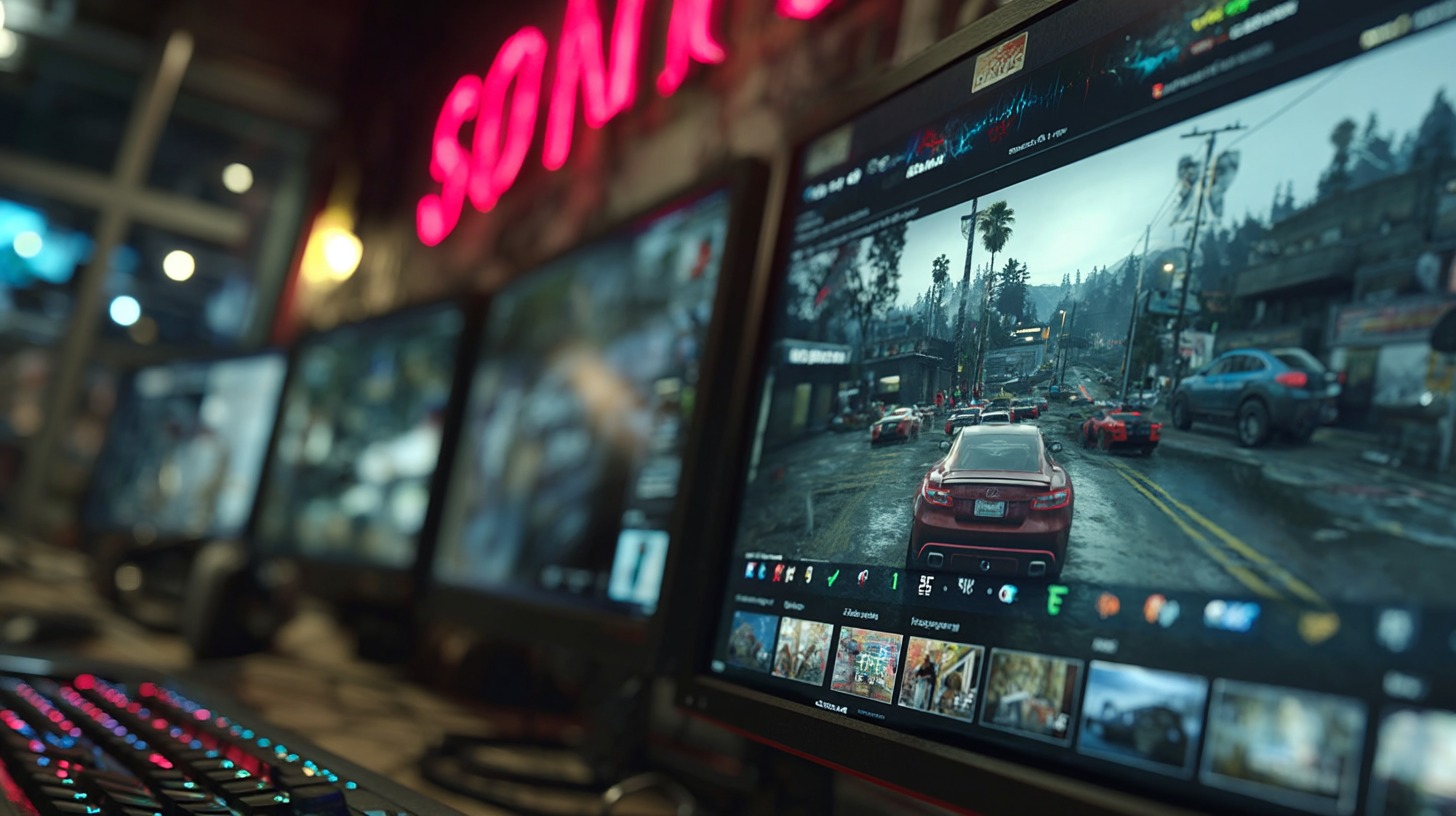
In-game ads, such as billboards, branded gear, or product placements, are now common. These integrations can make the virtual world feel more realistic while promoting real-world brands. Similar to product placement in films, these virtual items can sometimes be updated in online games after release.
Unlike traditional media, this strategy allows gamers to interact with the virtual product. For example, games like FIFA or NBA 2K display real-world sponsorships in their virtual stadiums. Similarly, Escape from Tarkov could consider introducing branded content, though many players are particularly drawn to the gameplay experience, especially when using cheats like those offered at https://wh-satano.ru/en/cheats/escape_from_tarkov.
Advertisers can set different targeting parameters for in-game ads based on audience interests and location. This allows the ad to change based on who is playing, helping advertisers reach their target audience and giving gamers more varied ad content.
In-game advertising can be done through:
- Virtual billboards: Digital billboards placed within the game environment.
- Product placements: Featuring specific products, like a brand of car or drink, within the game world.
- Branded content: Creating specific in-game content, such as a branded racetrack or a sponsored tournament.
3. Collaborations
Video games are a powerful platform for marketing collaborations, enabling brands to create immersive experiences for a large and engaged audience. These partnerships focus on engaging customers through experiential campaigns, a process known as immersive marketing. This approach aims to create interactive, multisensory experiences that foster deeper connections and strengthen brand loyalty.
Video Game & Marketing Collaborations
From fashion brands entering virtual worlds to fast-food chains delivering food via in-game commands, brand collaborations are changing how companies connect with customers. Here are a few notable examples:
1. Grand Theft Auto (GTA) Online: Civilist & MISBHV
In December 2020, real-world fashion brands Civilist and MISBHV were introduced into GTA Online. The collaboration allowed players to buy clothing from both labels at virtual retailers. Civilist, a Berlin-based skate shop, added its skatewear designs, while MISBHV, a Polish streetwear label, contributed more vibrant outfits. These additions complemented the game’s nightlife themes, particularly around The Music Locker, a virtual club.

2. The Sims: Moschino, H&M, IKEA & More
The Sims has a long history of collaborating with real-life brands. An iconic partnership with Moschino allowed players to dress their Sims in high-fashion designs.
In 2007, a collaboration with H&M offered fashionable clothes and accessories for Sims, inspired by real-life H&M collections. Players could also build their own H&M stores. In 2008, IKEA brought its furniture into The Sims, allowing players to design their virtual homes with the brand’s products.
Other significant collaborations include Gucci, which brought its “Off the Grid” collection to The Sims 4, and MAC Cosmetics, which became the first real makeup brand in the game.
3. League of Legends: Louis Vuitton
Louis Vuitton designed in-game character skins and a trophy case for the League of Legends World Championship in 2019. The partnership also included a real-life limited-edition capsule collection. The collaboration was influenced by Qiyana, a League of Legends champion, and featured a range of items for women as well as genderless accessories.